

[Earnixor]
US-Iran War impact on Africa debt crisis explained: inflation risks, economic shocks, and survival strategies for businesses and citizens.
Introduction: Why This Crisis Matters More Than Ever
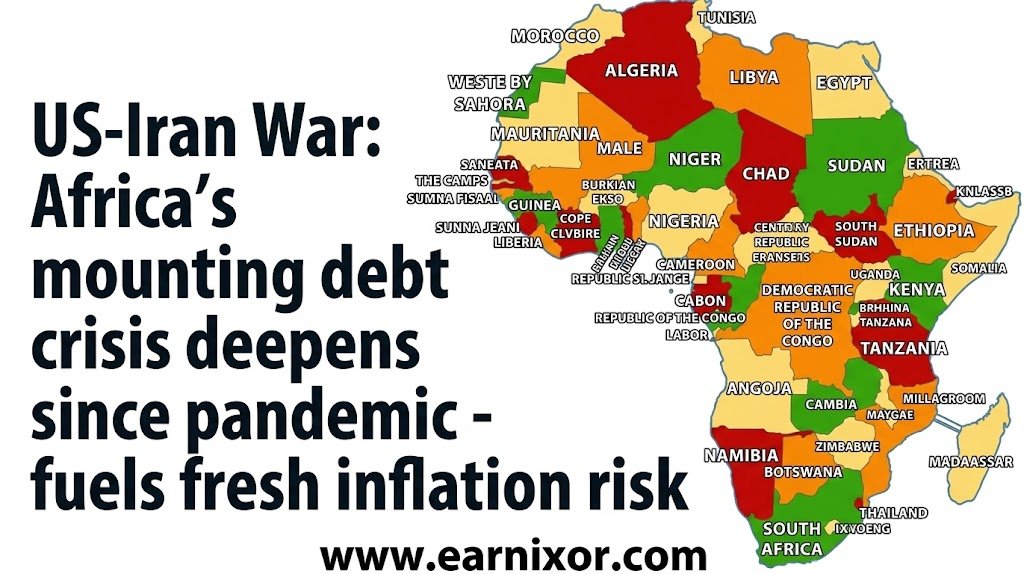
The US-Iran War impact on Africa debt crisis is no longer a distant geopolitical issue—it’s directly affecting daily life across the continent.
If you’ve noticed:
- Rising food prices 🍞
- Increasing fuel costs ⛽
- Higher cost of living
You’re already feeling the ripple effects.
The conflict between United States and Iran is intensifying global economic instability. For Africa—already struggling with post-pandemic debt—this situation is pushing economies closer to the edge.
But here’s the good news:
Understanding the crisis gives you the power to prepare, adapt, and even thrive.
Understanding the US-Iran War Impact on Africa Debt Crisis
What’s Really Happening?
The US-Iran War impact on Africa debt crisis stems from global economic disruptions:
- Oil price spikes
- Supply chain breakdowns
- Currency depreciation
- Rising borrowing costs
Africa depends heavily on imports—especially fuel. When tensions rise in the Middle East, oil prices surge globally, affecting every African economy.
Why Africa Is More Vulnerable
Africa’s vulnerability comes from:
- High external debt
- Weak currencies
- Dependence on imports
- Limited industrial production
Organizations like International Monetary Fund and World Bank have warned that many African countries are at high risk of debt distress.
👉 External Resource: Learn more from World Bank reports on global debt trends.
Why Africa’s Debt Crisis Is Worsening
1. Pandemic Aftershock
COVID-19 weakened economies:
- Reduced tax revenues
- Increased borrowing
- Slower growth
Now, the US-Iran War impact on Africa debt crisis is adding pressure.
2. Rising Interest Rates Globally
As global interest rates rise:
- Debt repayments become expensive
- Governments struggle to refinance loans
3. Currency Depreciation
African currencies are losing value against the US dollar, making imports more expensive.
4. Dependence on Imported Fuel
When oil prices increase:
- Transport costs rise
- Food prices increase
- Inflation spreads quickly
How Inflation Risk Is Spreading Across Africa
The Chain Reaction
The US-Iran War impact on Africa debt crisis creates a domino effect:
- War tensions → Oil prices rise
- Oil prices rise → Transport costs increase
- Transport costs increase → Food prices surge
- Food prices surge → Inflation skyrockets
Example: Everyday Impact
Imagine a small shop owner:
- Fuel price rises → delivery cost increases
- Supplier raises prices
- Shop owner raises product prices
- Customers buy less
Result: Business slows down.
Real-World Effects on Businesses and Households
For Businesses
- Reduced profit margins
- Lower consumer spending
- Difficulty accessing loans
For Individuals
- Higher food costs
- Increased rent
- Reduced savings
For Governments
- Debt repayment pressure
- Reduced public services
- Increased taxes
Strategic Solutions to Survive the Crisis
1. Diversify Income Sources
- Side hustles
- Freelancing
- Digital opportunities
2. Reduce Dependency on Imports
Support local products to reduce costs.
3. Smart Budgeting
- Track expenses
- Cut unnecessary spending
- Focus on essentials
4. Invest in Skills
Learn high-demand skills:
- Digital marketing
- Coding
- Online business
5. Build Emergency Savings
Even small savings help during inflation shocks.
Expert Insights & Social Proof
Global Warnings
According to data from International Monetary Fund:
- Over 50% of African countries are at risk of debt distress
The World Bank also reports:
- Rising inflation linked to global conflicts
Real Case Study
In several African countries:
- Fuel prices increased by over 30%
- Food inflation rose sharply
- Small businesses reported declining profits
Action Plan: What You Should Do Now
Step-by-Step Guide
- Review your financial situation
- Cut unnecessary expenses
- Increase income streams
- Stay informed on global events
- Invest in long-term skills
FAQ Section
1. What is the US-Iran War impact on Africa debt crisis?
It refers to how geopolitical tensions increase oil prices, worsen debt, and trigger inflation across African economies.
2. Why does the US-Iran conflict affect Africa?
Africa relies on imported fuel and global trade, making it sensitive to international disruptions.
3. How does this crisis increase inflation?
Higher fuel costs raise transportation and food prices, leading to widespread inflation.
4. Which countries are most affected?
Countries with high debt and import dependence are most vulnerable.
5. Can businesses survive this crisis?
Yes, by adapting strategies like cost control, diversification, and digital transformation.
6. What should individuals do?
Focus on saving, budgeting, and increasing income streams.
Conclusion: Why You Must Act Now
The US-Iran War impact on Africa debt crisis is not just an economic headline—it’s a reality shaping everyday life across the continent.
Ignoring it could mean:
- Financial stress
- Business losses
- Reduced quality of life
But taking action today means:
- Stability
- Growth
- Opportunity
The choice is yours.
👉 Start preparing now.
👉 Stay informed.
👉 Build resilience.
Because in times of crisis, those who act early don’t just survive—they thrive.
link up and get started to pubrio today