

Discover the hidden causes behind the Israel vs Iran conflict, including politics, military tensions, oil, alliances, and global power struggles.
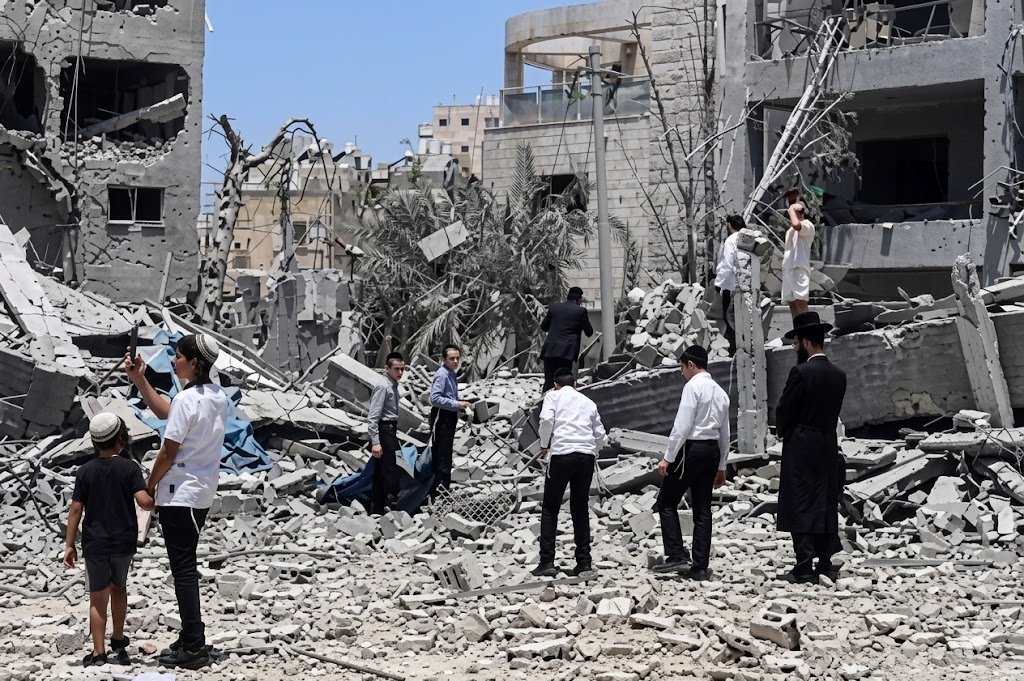
The Israel vs Iran conflict is one of the most dangerous and misunderstood geopolitical tensions in the modern world. For years, headlines have focused on missile attacks, military threats, political speeches, sanctions, and rising hostility between the two nations. But behind the headlines lies a much deeper story involving power, security, alliances, influence, economics, religion, and global politics.
Many people watching the news wonder the same thing: why does this conflict continue growing even when the risks are so massive? Why are global powers like the United States deeply involved? And why does the situation feel like it could explode into a much larger regional war at any moment?
Understanding the Israel vs Iran conflict requires looking beyond simple political statements. This tension is connected to decades of historical events, shifting alliances, military strategy, intelligence operations, and competition for influence across the Middle East. What appears on television is often only a small part of a much larger geopolitical struggle.
The growing fear surrounding the Israel vs Iran conflict is not only about two countries disagreeing. It is about what could happen if those tensions escalate further. Oil markets, global trade, international security, cyber warfare, military alliances, and civilian safety could all be affected.
People around the world follow this conflict because its consequences could reach far beyond the Middle East.
Why the Israel vs Iran Conflict Matters Globally
The Middle East remains one of the most strategically important regions in the world. The region controls critical energy routes, major oil reserves, international trade pathways, and military alliances that influence global stability.
When tensions rise between Israel and Iran, countries worldwide pay close attention.
The conflict affects:
- Global oil prices
- International trade
- Military partnerships
- Stock markets
- Regional stability
- Cybersecurity concerns
- Diplomatic relations
The United States has historically supported Israel politically and militarily, while Iran has developed alliances with various regional groups and governments. This creates a complicated network of competing interests.
According to Britannica and Council on Foreign Relations, the tensions between Israel and Iran are deeply tied to security concerns and regional influence.
For ordinary people, these conflicts can feel confusing because media coverage often focuses only on military events happening in the moment rather than the deeper causes driving the hostility.
The Historical Roots of the Israel vs Iran Conflict
The relationship between Israel and Iran was not always hostile. Before the 1979 Iranian Revolution, Iran and Israel maintained relatively cooperative relations. However, after the revolution transformed Iran into an Islamic Republic, political attitudes toward Israel changed dramatically.
Iran’s new leadership strongly opposed Israel’s policies and influence in the region. Over time, tensions increased due to ideological disagreements, regional competition, and military concerns.
This transformation changed the geopolitical landscape of the Middle East completely.
Since then, both nations have viewed each other as major strategic threats. Israel worries about Iran’s growing military capabilities and regional alliances, while Iran opposes Israeli influence and American involvement in the Middle East.
These tensions have expanded over decades through political speeches, sanctions, intelligence operations, and regional conflicts.
The Secret Geopolitical Battle Behind the Headlines
One of the biggest hidden aspects of the Israel vs Iran conflict is the battle for regional influence.
Both countries seek strategic power within the Middle East.
Israel aims to maintain national security and protect itself from hostile threats near its borders. Iran seeks to expand its regional influence through political alliances, military partnerships, and support for allied groups across the region.
This competition creates tension in countries such as:
- Syria
- Lebanon
- Iraq
- Yemen
- Gaza
The struggle is not always fought directly between Israel and Iran. Instead, much of the conflict happens indirectly through regional allies and proxy groups.
This makes the situation more complicated and difficult to resolve diplomatically.
According to Wikipedia Middle East Proxy Conflicts, proxy wars have become one of the defining characteristics of modern geopolitical conflicts.
Nuclear Tensions and Military Fears
One of the biggest global concerns surrounding the Israel vs Iran conflict involves Iran’s nuclear program.
Israel has repeatedly expressed fears that Iran could eventually develop nuclear weapons capabilities. Iranian officials maintain that their nuclear activities are intended for peaceful energy purposes, but international debates and inspections have continued for years.
This issue has become central to global diplomacy.
International negotiations, sanctions, and intelligence operations have all revolved around attempts to manage nuclear tensions. The fear is that nuclear escalation could dramatically increase instability across the region.
Military analysts often warn that misunderstandings or miscalculations between powerful nations can create extremely dangerous situations.
Because of this, governments worldwide continue monitoring developments closely.
The Role of the United States in the Israel vs Iran Conflict
The United States plays a major role in the Israel vs Iran conflict due to its long-standing alliance with Israel and its broader strategic interests in the Middle East.
American involvement includes:
- Military cooperation
- Diplomatic support
- Economic sanctions
- Regional security operations
- Intelligence partnerships
For decades, U.S. foreign policy has focused heavily on Middle Eastern stability and security. American leaders often view Iranian military expansion and regional influence as major concerns.
At the same time, critics argue that foreign interventions and regional power struggles have sometimes intensified tensions rather than reducing them.
This creates political debate both inside and outside the United States.
According to Forbes, geopolitical instability in the Middle East can significantly influence global economic conditions and energy markets.
Oil, Power, and Economic Interests
Oil remains one of the most important hidden factors behind many Middle Eastern conflicts.
The region contains some of the world’s largest energy reserves. Any military escalation affecting shipping routes or oil production can impact global fuel prices almost immediately.
Countries worldwide depend heavily on Middle Eastern energy exports.
This means the Israel vs Iran conflict affects not only regional politics but also:
- Transportation costs
- Inflation
- International trade
- Economic markets
- Energy security
Global investors monitor these tensions carefully because uncertainty in the region can influence financial markets worldwide.
Economic interests often shape international diplomatic decisions behind the scenes.
Proxy Wars Across the Middle East
One reason the Israel vs Iran conflict feels so widespread is because it extends beyond direct confrontation.
Regional proxy conflicts involve allied groups operating in neighboring countries.
These conflicts create instability in multiple regions simultaneously.
For example, tensions involving armed groups in Lebanon, Syria, Iraq, and Gaza are often connected indirectly to broader geopolitical competition between Israel and Iran.
This network of alliances makes peace negotiations extremely difficult because many different actors are involved.
The result is a cycle of retaliation, military operations, and political escalation that continues over time.
Cyber Warfare and Intelligence Operations
Modern conflicts are no longer fought only with traditional military weapons.
Cyber warfare has become an increasingly important part of geopolitical competition.
Both Israel and Iran are widely reported to possess advanced cyber capabilities. Governments worldwide now recognize cyberattacks as major national security threats.
Cyber operations can target:
- Infrastructure
- Communication systems
- Financial networks
- Government databases
- Energy facilities
This hidden digital battlefield rarely receives the same media attention as military strikes, but experts consider it extremely important.
Intelligence agencies also play significant roles in monitoring threats, gathering information, and conducting covert operations.
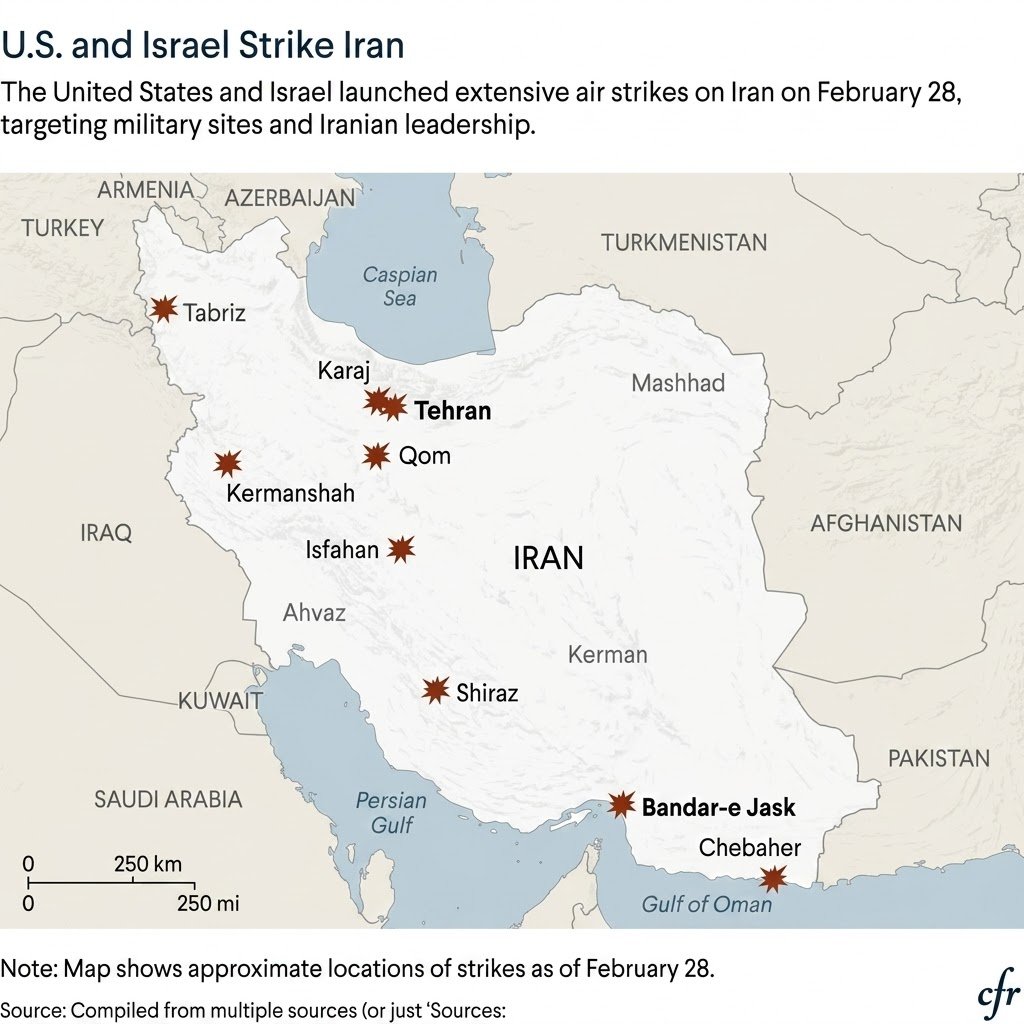
How Ordinary People Are Affected
While political leaders and military officials dominate headlines, ordinary civilians often suffer the greatest consequences during geopolitical conflicts.
Rising tensions can create:
- Economic hardship
- Fear and uncertainty
- Inflation
- Displacement
- Mental stress
- Reduced regional stability
Families living in affected areas may experience disruptions to daily life, education, employment, and security.
Even people living far from the Middle East can feel indirect effects through higher fuel prices and global economic instability.
This is why understanding international conflicts matters for everyone, not just political experts.
Could the Israel vs Iran Conflict Become a Larger War?
This question worries analysts around the world.
Many experts believe both sides understand the risks of full-scale war, which may discourage direct escalation. However, accidental miscalculations, regional incidents, or sudden military events could rapidly increase tensions.
Modern warfare also involves drones, cyberattacks, missile systems, intelligence operations, and regional alliances that can escalate conflicts quickly.
Because many countries have strategic interests connected to the Middle East, any major escalation could involve multiple international actors.
This possibility is one reason diplomats continue pushing for negotiations and de-escalation efforts.
Media Narratives and Public Opinion
Media coverage plays a powerful role in shaping how people understand international conflicts.
Different news organizations often present events from different perspectives depending on political viewpoints, regional interests, or editorial approaches.
This can create confusion among audiences trying to understand the truth behind complex geopolitical situations.
Experts encourage readers to compare multiple credible sources before forming conclusions about international conflicts.
Reliable analysis often requires historical context, geopolitical understanding, and awareness of regional dynamics.
- Historical timeline
- Regional alliances
- Nuclear tensions
- Economic consequences
- Expert geopolitical analysis
Lessons the World Should Learn
The Israel vs Iran conflict highlights how interconnected the modern world has become.
Regional disputes can quickly affect global economics, cybersecurity, diplomacy, and international stability.
It also demonstrates the importance of diplomacy, communication, and conflict prevention in an increasingly dangerous geopolitical environment.
Many global experts argue that long-term peace requires not only military deterrence but also political dialogue, economic cooperation, and international diplomacy.
Without those efforts, cycles of hostility may continue indefinitely.
The Role of Social Media in the Israel vs Iran Conflict
Social media has become one of the most powerful forces shaping public opinion during the Israel vs Iran conflict. Unlike past geopolitical tensions where information mainly came from television or newspapers, modern conflicts spread instantly across platforms such as X, YouTube, TikTok, Facebook, and Instagram. Videos, opinions, breaking news clips, and political reactions can reach millions of people within minutes.
This rapid flow of information has changed how global audiences understand war and international tensions. People no longer wait for official government statements or traditional news broadcasts. Instead, they consume updates in real time through social media feeds. While this creates faster access to information, it also increases the spread of misinformation, emotional reactions, and propaganda.
During periods of rising tensions between Israel and Iran, social media often becomes flooded with conflicting narratives. Different groups share different versions of events depending on political beliefs, regional loyalties, or media influence. This makes it difficult for ordinary readers to separate verified information from rumors or manipulated content.
Experts frequently warn that emotionally charged posts and viral videos can intensify public fear and political polarization. In some cases, misinformation spreads faster than factual reporting, especially during military escalations or emergency situations. False reports, edited footage, and misleading headlines can quickly create confusion worldwide.
At the same time, social media also allows journalists, analysts, and independent experts to provide deeper geopolitical analysis and historical context. Many users now rely on trusted researchers and international news organizations to better understand the Israel vs Iran conflict beyond viral headlines.
This digital information battle has become almost as important as traditional military and political strategies. Governments, intelligence agencies, activists, and media organizations all recognize the power of online narratives in shaping global perception.
Because of this, readers should always verify information through multiple credible sources before believing or sharing emotionally charged content related to international conflicts.
Learn more about misinformation and digital media influence from
Wikipedia Social Media and Politics
FAQ About the Israel vs Iran Conflict
Why are Israel and Iran enemies?
The hostility largely developed after the 1979 Iranian Revolution due to political, ideological, and security disagreements.
Why is the United States involved in the Israel vs Iran conflict?
The United States has long maintained strong strategic and military alliances with Israel and broader interests in Middle Eastern stability.
Does the Israel vs Iran conflict affect global oil prices?
Yes. Rising tensions in the Middle East can influence oil markets and global energy prices.
What are proxy wars in the Israel vs Iran conflict?
Proxy wars involve allied groups and indirect conflicts happening in neighboring countries instead of direct warfare.
Why is Iran’s nuclear program controversial?
Many countries worry Iran could potentially develop nuclear weapons capabilities, while Iran says its program is peaceful.
Could the Israel vs Iran conflict become a global war?
Most analysts believe major powers want to avoid full-scale war, but escalation risks remain serious.
Final Thoughts
The Israel vs Iran conflict is far more complex than many headlines suggest. Behind the political speeches and military threats lies a deeper struggle involving power, security, alliances, economics, regional influence, and global geopolitics.
Understanding these tensions requires looking beyond social media reactions and simplified narratives.
As the world becomes increasingly interconnected, conflicts in one region can affect millions of people globally through economics, security, and international diplomacy.
The future of the Middle East will likely depend on whether leaders choose escalation or diplomacy in the years ahead.
[Earnixor]