

Elon Musk has merged SpaceX and xAI in a historic $1.25 trillion deal, forming the world’s largest private company and setting the stage for a massive IPO.
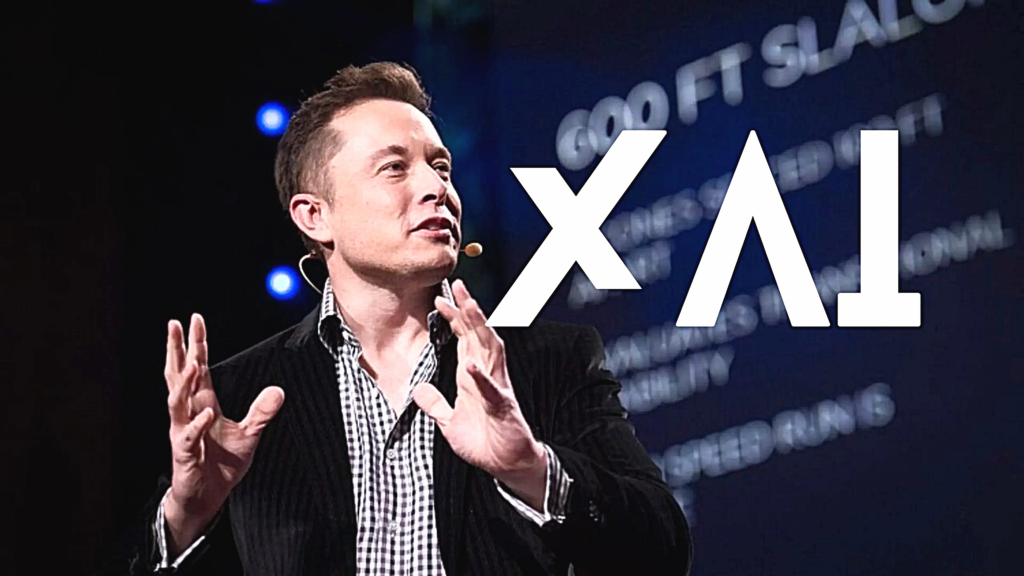
In one of the most striking moves of the decade in technology and finance, Elon Musk has officially folded his artificial intelligence startup xAI into his aerospace powerhouse SpaceX, creating the largest privately held company ever formed. The combined entity carries a reported valuation of about $1.25 trillion, dwarfing historical deals and setting the stage for a potentially record-breaking public offering later this year.
A Strategic Consolidation at Unprecedented Scale
The merger announced via a SpaceX memo signed by Musk brings together cutting-edge AI research, social media infrastructure, rockets, satellite internet, and next-generation compute under one corporate roof. SpaceX, long known for its reusable rockets, Starlink satellite network, and government launch contracts, absorbs xAI’s artificial intelligence tools, including the Grok chatbot and machine-learning systems.
Under the terms of the deal, investors in xAI will receive roughly 0.1433 shares of SpaceX for each share they hold, with the option to take cash instead. The combination values SpaceX at around $1 trillion and xAI at roughly $250 billion in the transaction.
Industry analysts say the scale of this merger eclipses the previous record set by Vodafone’s €202 billion acquisition of Mannesmann in 2000, making it the largest deal of its kind in modern history.
RecCloud AI Video Editor: 9 Powerful Reasons Creators Love This Smart Video Tool
Why SpaceX, not Tesla, was the Chosen Vehicle
Musk’s decision to merge xAI with SpaceX rather than Tesla highlights a shift in strategic priorities. Executives and filings indicate that Musk sees orbital infrastructure as critical to the future of AI compute a claim based on the massive energy demands of training and operating large models on Earth. According to internal communications, Musk believes that space-based data centers powered by near-constant solar energy would ultimately be far more efficient than terrestrial facilities, which are limited by power grids and cooling constraints.
Linking xAI’s research capabilities with SpaceX’s launch and satellite architecture could enable new types of compute infrastructure in orbit, and perhaps even autonomous deep-space systems.
IPO Potential A Market Milestone in the Making
The combined company is being positioned for a blockbuster initial public offering, potentially later in 2026. While terms of the planned IPO have not been finalized, sources close to the matter suggest the listing could raise tens of billions of dollars and push the total market capitalization well past $1.5 trillion when public markets price future growth expectations.
If successful, the IPO would surpass everything previously seen in history, potentially outstripping the debut valuations of tech giants like Meta and Google and rewriting the record books for how much capital a private company can command from public investors.
Consolidating the “Muskonomy”
This merger is also part of what analysts informally call the “Muskonomy” Musk’s broader portfolio of interlinked ventures spanning electric cars (Tesla), brain-computer interfaces (Neuralink), tunnels (The Boring Company), and now space and AI under one huge umbrella. Bringing xAI into SpaceX aligns research, infrastructure, distribution, and compute power under a single strategic vision.
However, it also raises questions. With Musk at the helm of multiple overlapping businesses, regulators may closely scrutinize governance structures, competitive impacts, and national security implications, especially given SpaceX’s extensive US government contracts and dual-use technologies.
Top 10 Home Security Must-Haves for Peace of Mind in 2026

Looking Ahead Ambitions Beyond Earth
Musk’s long-term vision for the merged entity signals a radical pivot in how companies think about computing and connectivity. SpaceX has already filed for permission to deploy up to a million satellites, a network that could support not just global internet coverage but distributed AI compute and data-storage infrastructure in orbit.
Supporters say this combination could accelerate breakthroughs in autonomous systems, deep-space exploration, and global real-time communication. Skeptics caution that the engineering, regulatory, and financial risks of orbit-based AI infrastructure are enormous and unproven at scale.
[earnixor]
Follow us on:

Pippit AI Video Generator: 7 Powerful Ways to Grow Your Business Faster (Without Hiring a Team)